
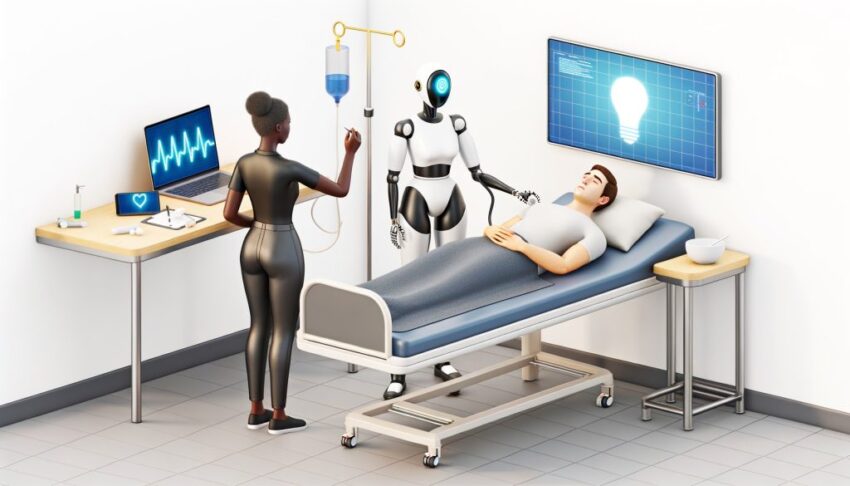
The integration of artificial intelligence into healthcare is creating a new era of medical innovation. Around the world, doctors are now utilizing AI-driven platforms to identify diseases earlier and with greater accuracy than ever before. Instead of replacing human expertise, these systems are designed to empower physicians, offering them sharper diagnostic tools while reducing the time needed to analyze complex data.
This change is especially significant in the context of diseases that are difficult to detect in their early stages, such as cancer, cardiovascular conditions, and rare genetic disorders. With the help of machine learning algorithms, doctors can uncover patterns in patient data that would otherwise remain invisible, opening the door to life-saving interventions.
AI Tools That Elevate Medical Accuracy
In traditional medical practice, diagnosis depends heavily on a physician’s experience and the resources available at a hospital. However, AI tools are now being trained on millions of anonymized medical records, imaging scans, and laboratory results. By analyzing this vast pool of information, these tools can provide probability-based predictions that guide doctors toward the most likely conditions.
For example, AI-powered imaging platforms can highlight suspicious areas in X-rays, CT scans, or MRI results, helping radiologists spot early signs of lung nodules or brain abnormalities. Similarly, algorithm-driven blood test analysis can alert doctors to irregularities that may signal chronic illness long before symptoms become obvious. Importantly, these tools do not make the final call; instead, they offer physicians an additional layer of confirmation that strengthens overall decision-making.
How Doctors Are Adapting to the New Era
The successful use of AI in healthcare relies on collaboration between technology and human expertise. Doctors are not abandoning their years of training; rather, they are incorporating AI into their daily workflow to improve efficiency and patient safety. In hospitals where these technologies have been adopted, physicians report shorter diagnosis timelines, fewer misinterpretations of medical images, and improved patient communication.
Training programs are also being updated to help medical professionals understand how to interpret AI-generated results responsibly. Ethical considerations remain central, as doctors must ensure patient data privacy and avoid overreliance on technology. Medical institutions are forming review boards to monitor how AI tools are used and to ensure they complement, rather than replace, human judgment.
Beyond clinical diagnosis, AI is also assisting doctors in predicting patient outcomes. By analyzing treatment histories and genetic profiles, the technology can forecast how a patient may respond to certain medications. This supports doctors in designing more personalized treatment plans, reducing the likelihood of trial-and-error prescribing.
Future Potential of AI in Preventive Medicine
While much of the current focus is on diagnosis, experts believe the greatest impact of AI will be in prevention. Doctors are beginning to use predictive analytics to identify patients at risk of developing chronic illnesses years before symptoms emerge. For example, wearable devices powered by AI can monitor heart rate patterns, blood pressure, and sleep cycles, alerting doctors to potential cardiovascular risks.
In addition, AI platforms are being developed to track environmental and lifestyle data. Doctors can then combine this information with medical histories to provide patients with tailored recommendations that reduce the likelihood of future illness. This proactive model of care could eventually transform healthcare from a system focused on treating diseases into one centered on preventing them.
The ability of AI to handle large datasets also enables doctors to participate in global research collaborations. By sharing anonymized patient information across borders, healthcare professionals can identify emerging disease trends, detect outbreaks earlier, and develop effective strategies to combat them. For doctors on the front lines, this means having more actionable insights that directly impact patient well-being.
Source: https://malaka555.sg-host.com/