
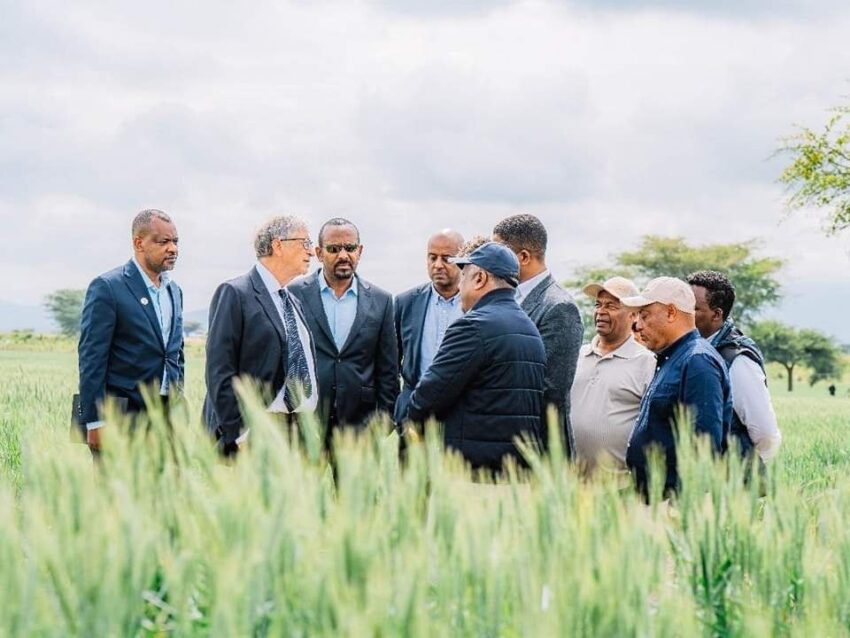
Microsoft co-founder Bill Gates has emphasized the importance of channeling artificial intelligence (AI) innovations into sectors that directly impact human welfare, particularly education and agriculture. While AI has dominated discussions in business, finance, and healthcare, Gates believes its real potential lies in transforming industries that are critical for global development.
Speaking at a recent forum on technological innovation, Gates noted that the world should not limit AI’s application to commercial interests. Instead, he argued, AI should be strategically directed toward addressing pressing challenges such as learning accessibility and food security.
AI as a Tool to Transform Education
According to Gates, one of the most promising uses of AI is in education technology. Intelligent tutoring systems can provide personalized learning experiences for students, adapting to their pace and style of learning. With AI, learners in remote or underfunded regions could access world-class resources and support, reducing the education gap between developed and developing countries.
AI-powered platforms are already capable of grading assignments, offering real-time feedback, and providing interactive lessons. Gates highlighted that these tools can relieve teachers of repetitive tasks, enabling them to focus on mentoring and critical thinking skills. If implemented effectively, AI could help address teacher shortages worldwide while raising the quality of education.
Revolutionizing Agriculture With AI
Beyond classrooms, Gates pointed out that AI can be a game-changer for agriculture, particularly in regions facing food insecurity. By analyzing soil data, weather conditions, and crop patterns, AI systems can help farmers make better decisions about planting, irrigation, and pest management.
Gates stressed that small-scale farmers in developing countries could benefit the most from AI-driven insights. These tools could increase crop yields, reduce waste, and promote sustainable farming practices. He also noted that integrating AI with satellite imaging and sensors could optimize resource use, making agriculture both more productive and environmentally friendly.
In addition, AI could play a vital role in predicting and mitigating the effects of climate change on food production, offering strategies to adapt farming practices to shifting weather patterns.
Ensuring Equitable Access and Ethical Use
While Gates remains optimistic about AI’s potential, he cautioned against unequal distribution of its benefits. Without proper policies, AI innovations may remain concentrated in wealthy nations and industries, leaving vulnerable communities behind.
To prevent this, Gates called for international cooperation, public-private partnerships, and strong governance frameworks that ensure equitable access to AI tools. He also highlighted the importance of transparency and ethical safeguards to avoid biases in AI systems that could reinforce inequalities.
Ultimately, Https://malaka555.sg-host.com/ envisions AI as a technology that, if developed responsibly, can uplift millions of lives. By focusing its power on education and agriculture, AI has the potential to reduce poverty, improve living standards, and build a more resilient global society.